How to Use Solenoid Valve in Irrigation System Effectively?
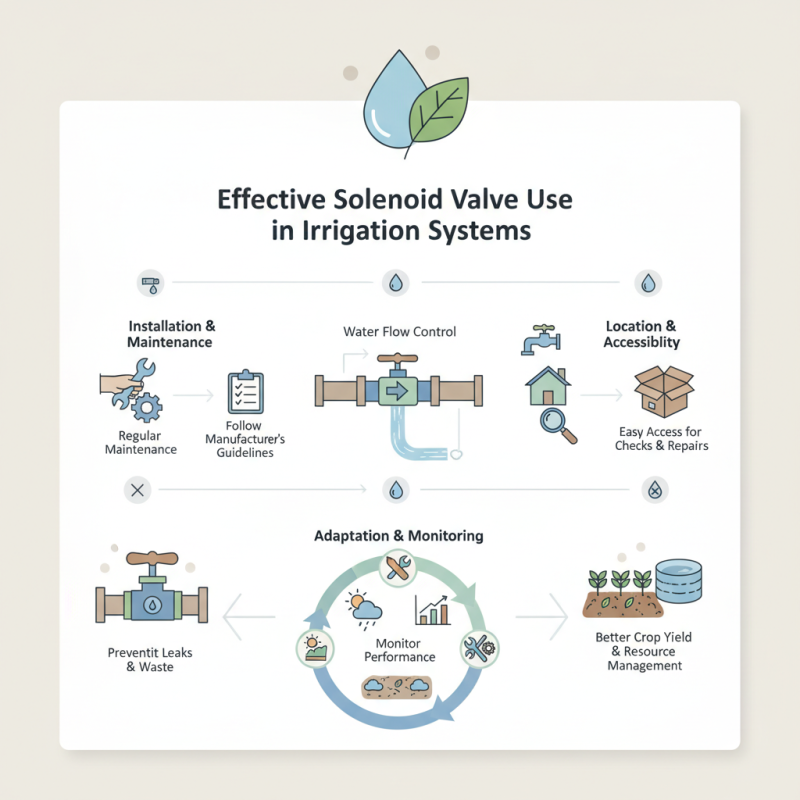
Irrigation systems play a critical role in agricultural efficiency. At the heart of these systems lies the solenoid valve. This device controls water flow with precision. Understanding how to use a Solenoid Valve In Irrigation Systems effectively can lead to better crop yields and resource management.
One common mistake is improper installation. Ensure you follow the manufacturer's guidelines closely. Regular maintenance is also essential; overlooked components can lead to failures. Remember, small leaks can waste significant amounts of water. Additionally, consider the valve's location. It should be easily accessible for checks and repairs.
Adapting the system to local conditions is vital. Each environment presents unique challenges. Monitor the system's performance regularly. Adjust as needed. Using a solenoid valve in irrigation systems offers benefits, but it requires attention and care. Failing to do so might lead to inefficiencies and wasted resources. These aspects are crucial for successful irrigation management.
Understanding the Role of Solenoid Valves in Modern Irrigation Systems
Solenoid valves play a crucial role in modern irrigation systems. They act as automated gatekeepers, controlling the flow of water. When energized, these valves open up to allow water through. When switched off, they close tightly to stop the flow. This automation reduces labor and increases efficiency in watering gardens and agricultural fields.
Understanding how solenoid valves function can enhance irrigation practices. They can be set on timers or connected to moisture sensors. This means water is delivered only when plants need it. However, not all setups work perfectly. Sometimes, issues like electrical malfunctions can occur. Regular maintenance is essential to prevent such problems.
Optimal placement of solenoid valves matters too. The distance from the control panel affects performance. If they are placed too far, signal delays may cause inconsistent watering. This requires careful planning. Our understanding can improve, but mistakes still happen in real-world situations. Learning from each experience helps refine the process.
Types of Solenoid Valves and Their Applications in Irrigation
When it comes to irrigation, solenoid valves play a crucial role. Several types exist, each suited for different applications. Two main types are normally closed and normally open valves. Normally closed valves activate when electrical current flows. They ensure water only flows when needed, conserving resources. Normally open valves, on the other hand, allow water to flow until the current is applied, ideal for applications needing continuous flow.
An industry report by the Irrigation Association found that smart irrigation systems employing solenoid valves can save up to 30% more water. However, incorrect installation is a common issue. Many users overlook the need for proper filtration and maintenance. Clogged solenoid valves can cause inadequate water flow, leading to dry patches in fields. Regular checks can prevent such problems and ensure efficient operation.
In addition to that, understanding the specifications of each solenoid valve is vital. For instance, pressure ratings and flow rates vary widely. Choosing the wrong valve could lead to failure in system performance. Awareness of these factors is critical for effective irrigation management. By not addressing these details, users can easily waste water and resources. Balancing performance and efficiency should always be a priority in irrigation systems.
Key Factors Influencing the Efficiency of Solenoid Valve Operation
When considering the efficiency of solenoid valves in irrigation systems, several key factors come into play. Water pressure is crucial. A minimum pressure of 15 psi is often required for optimal valve performance. Improper pressure can lead to weak or erratic operation. This can waste water and increase costs, undermining irrigation effectiveness.
Another vital aspect is the valve's compatibility with the irrigation design. A mismatch can cause backflow issues or improper system zoning. It's essential to account for the type of water (clean or contaminated) as well. Dirty water can clog the solenoid, impacting its functionality.
**Tip:** Regular maintenance is key. It’s recommended to check valves every three months. This ensures they work as intended.
The electrical control system also influences solenoid valve efficiency. Voltage fluctuations can disrupt their operation. A stable power supply is thus necessary. Inconsistent voltage can shorten the lifespan of the valve and lead to unexpected irrigation failures.
**Tip:** Consider investing in a surge protector. It helps maintain consistent voltage and prolongs the life of your solenoid valves.
Installation Best Practices for Solenoid Valves in Irrigation Systems
Proper installation of solenoid valves significantly enhances irrigation efficiency. Research indicates that poorly installed valves can lead to a water loss rate of up to 30%. This translates to substantial inefficiencies and increased costs in water usage. By adhering to best practices, you can avoid these pitfalls.
When installing solenoid valves, first ensure that the valve is positioned correctly. It should be aligned with the water flow direction. Additionally, consider the proximity to the power source. A distance of no more than 50 feet from the controller is ideal to minimize voltage drop. Use appropriate fittings. Improper fittings can lead to leaks.
Maintenance is crucial for long-term effectiveness. Periodically check for clogs and leaks. A regular inspection schedule is recommended every three months. Remember that environmental factors can influence performance. For example, debris or sediment can compromise valve function over time. Taking the time to install and maintain your solenoid valves properly can lead to more efficient irrigation practices.
Solenoid Valve Usage in Irrigation Systems
Maintenance Tips to Ensure Longevity and Performance of Solenoid Valves
When using solenoid valves in irrigation systems, maintenance is key. Regular inspections can prevent unexpected failures. Check for leaks and corrosion. Sometimes, small leaks go unnoticed. These can waste water and increase costs. Inspect the valve's wiring and connectors. A loose connection can disrupt the entire system. Be diligent.
Cleaning is another vital step. Solenoid valves can accumulate dirt and debris. This accumulation can hinder performance. Clean the valves periodically, especially during the off-season. A simple rinse may not suffice. Consider using a soft brush to reach tight spaces. Routine lubrication of moving parts can also enhance longevity. However, over-lubrication could lead to problems.
Pay attention to water pressure levels. Excess pressure can damage the valves over time. It’s crucial to monitor and adjust as needed. While over time, even the best-maintained valves may wear. Be prepared to replace them. Waiting too long for a replacement could lead to system failure. This calls for careful planning and timely action. Make a maintenance schedule and stick to it. Regular care pays off in the long haul.