Why Do Rotating Machines Fail and How to Prevent It?
Rotating Machines play a critical role in various industries, from manufacturing to energy production. According to a recent report by the International Journal of Rotating Machinery, failures in these machines account for approximately 42% of unplanned downtime in industrial settings. This statistic highlights the importance of understanding the root causes of failures and implementing effective prevention strategies.
Frequent issues include bearing failures, misalignment, and imbalance. These problems often result in costly repairs and lost productivity. A study by the American Society of Mechanical Engineers indicated that addressing these issues could reduce maintenance costs by up to 30%. This is where proactive measures come into play. Regular maintenance and monitoring can lead to significant improvements in machine reliability.
However, many companies still overlook routine checks. They assume that Rotating Machines will function endlessly without intervention. This mindset can result in devastating outcomes. A culture of complacency toward machine care can lead to catastrophic failures. Investing in training and condition monitoring is essential. By prioritizing the health of Rotating Machines, organizations can enhance operational efficiency and longevity.
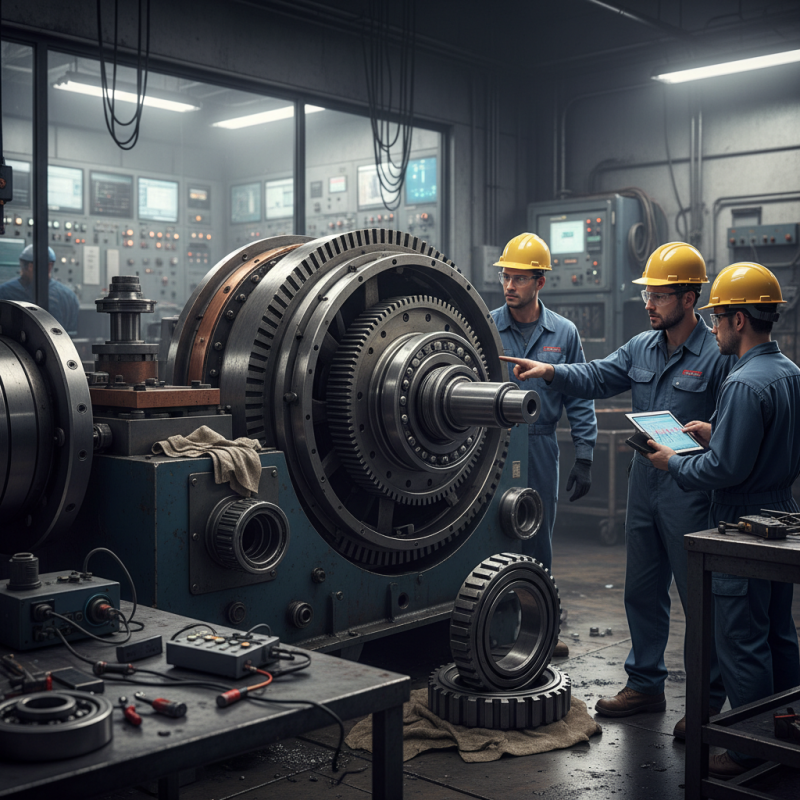
Understanding Common Causes of Rotating Machine Failures
Rotating machinery is crucial in various industries. However, failures can lead to significant downtime and losses. A recent report indicated that about 39% of equipment failures are due to wear and tear. This is a common issue due to insufficient maintenance practices. Many organizations overlook routine inspections. This negligence can result in catastrophic failures over time.
Another major cause of failure is misalignment. It can happen during installation or due to vibrations. Misalignment leads to excessive wear and can drastically reduce the lifespan of machines. According to industry data, misalignment accounts for nearly 50% of bearing failures. This issue often arises when operators fail to follow proper alignment techniques.
Operating conditions can also contribute to failures. High temperatures and contaminants in the environment impact machine performance. An estimated 70% of mechanical failures stem from poor lubrication. Lubricants break down under extreme conditions and fail to protect critical components. Maintenance teams sometimes ignore lubrication schedules, leading to severe damage. Each of these factors highlights areas needing reflection and improvement in maintenance strategies.
Statistics on Rotating Machine Downtime and Maintenance Costs
Rotating machines are critical to various industries, yet they often experience unplanned downtime. According to recent reports, the average downtime of these machines can reach up to 20% of operational hours. This translates to significant revenue losses for companies, sometimes exceeding millions annually. Maintenance costs associated with these failures also rise dramatically, with estimates suggesting that reactive maintenance can be three to five times more costly than proactive measures.
Data reveals that approximately 42% of rotating machine failures occur due to inadequate maintenance practices. Simple oversights, such as ignoring vibration analyses or neglecting lubrication schedules, can lead to catastrophic failures. In fact, a single failure might lead to repair costs averaging around $150,000, depending on the machine's complexity.
It's essential to consider implementing predictive maintenance strategies to circumvent these issues. By analyzing historical data and utilizing condition-monitoring tools, companies can drastically reduce downtime. However, many still overlook these technologies. A commitment to continuous improvement and adopting a proactive culture is imperative. Ignoring the basics can perpetuate a cycle of failures that is both expensive and preventable.
Impact of Vibration and Alignment Issues on Machinery Performance
Vibration and alignment issues can significantly harm machinery performance. When machines rotate, any misalignment can create excessive vibration. This vibration causes wear on components. Over time, this wear leads to failures. It's crucial to understand how these factors impact longevity.
Misalignment often stems from poor installation practices. As machines operate, the connections can shift. Regular checks are essential to maintain proper alignment. Vibration can be measured using simple tools. Technicians can identify problem areas quickly. This proactive approach can save time and reduce costs.
Ignoring these issues is tempting. Many operators believe machines will run indefinitely. However, that is far from reality. Without intervention, small problems can escalate. Regular maintenance and timely adjustments can prevent severe failures. Acknowledging these challenges can improve overall machine efficiency.
Best Practices for Regular Inspection and Predictive Maintenance
Regular inspections are crucial for the longevity of rotating machines. Data from the U.S. Department of Energy reveals that companies lose $50 billion annually due to unplanned downtime. Regular checks can help avoid these costly surprises. Inspections should focus on key components like bearings, shafts, and lubrication systems. Ignoring small issues can lead to larger failures. For instance, a minor vibration might indicate misalignment, which can escalate into catastrophic damage.
Predictive maintenance employs advanced technologies, such as vibration analysis and thermal imaging. According to a report by McKinsey & Company, businesses that adopt predictive maintenance can reduce maintenance costs by up to 30%. These techniques allow for timely interventions. However, it's essential to train staff in using these tools effectively. Misinterpretations of data can lead to overlooked issues. Effective monitoring systems should be in place to gather accurate information. Regular updates and audits of these systems are also necessary.
Despite these practices, some machines will still fail. There’s no foolproof method to prevent every failure. Ignoring aging machines can be tempting, yet they are frequent failure points. The industry must continuously adapt to emerging technologies and methods. Embracing a culture of continuous improvement can significantly mitigate risks. In a world of evolving machines, staying ahead requires diligence and awareness.
Emerging Technologies for Monitoring and Preventing Machine Failures
Industries rely heavily on rotating machines, yet failures can lead to costly downtimes. Studies indicate that unplanned downtime can cost businesses as much as $250,000 per hour. The need for effective monitoring is crucial. Emerging technologies offer innovative solutions to predict and prevent failures in these machines.
Vibration analysis and thermal imaging are now prevalent. For instance, vibration sensors can detect anomalies, allowing for early intervention. A report from the International Society of Automation reveals that predictive maintenance could reduce downtime by 30% or more. Moreover, artificial intelligence is increasingly being integrated into monitoring systems. This technology quickly analyzes vast amounts of data, identifying potential issues before they escalate.
Despite advancements, challenges remain. Not all organizations embrace these technologies. A lack of training can hinder effective implementation. Additionally, data overload from monitoring systems can overwhelm teams. Companies must actively seek to balance technology with human insight to optimize machine performance. Failure to do so could lead to missed opportunities and recurring issues.