What is a Coiling and Packing Machine and How Does It Work?
The Coiling and Packing Machine is an essential tool in modern manufacturing. It automates the process of winding and packing products efficiently. This machine is used in various industries, from textiles to electronics. The design is often straightforward, yet it delivers significant productivity gains.
Imagine a factory floor where coils of wire or cable are produced. The Coiling and Packing Machine takes over, ensuring each coil is uniform and neatly packed. This reduces human error and speeds up the workflow. However, relying too much on automation might overlook the delicate needs of specific products.
While the machine offers many advantages, challenges remain. Maintenance can be tricky, and operators must be trained properly. Mistakes in operation can lead to wasted materials. Thus, while the Coiling and Packing Machine brings efficiency, it also requires careful handling and regular checks. Overall, it represents a major step forward in production capabilities.
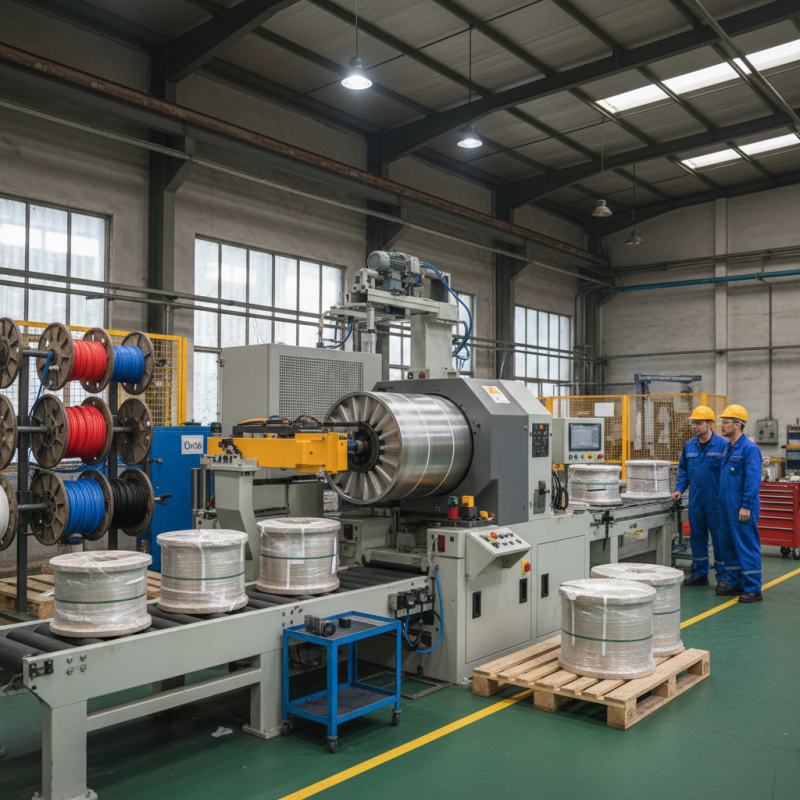
What is a Coiling and Packing Machine?
A coiling and packing machine is an essential tool in various industries. It helps in winding materials, such as wires, cables, and films, into coils. These machines automate the packing process, improving efficiency and consistency. According to a recent industry report, the coiling machine market is expected to grow by 5% annually through 2025. This growth highlights the increasing demand for automation.
In practice, these machines can reduce labor costs while increasing productivity. They handle delicate materials with precision, minimizing waste. However, not all machines are built equally. Some users report difficulties in setup and calibration. This can lead to inefficiencies and, at times, damaged products. The challenge is to balance speed with quality. Investing in training is crucial. It allows operators to better understand machine functions and reduce errors.
Another aspect is maintenance. Regular servicing is essential for optimal performance. Skipping these checks can lead to breakdowns. Companies lose time and resources. Despite technological advancements, some manufacturers still struggle with outdated equipment. This raises questions about long-term sustainability. The future lies in innovation, emphasizing the need for continuous improvement in machinery.
Key Components of Coiling and Packing Machines
Coiling and packing machines are essential in various industries for efficient product handling. Key components include coiling units, packing stations, and control systems. Each part plays a crucial role in the overall functionality. The coiling unit gathers materials, often through automated processes. It ensures tight, uniform coils essential for transport.
Packing stations follow the coiling process. Here, products are securely packaged for shipping. The layout of packing stations can vary. Some use manual input, while others are fully automated. This creates a dynamic work environment. Control systems provide oversight, managing the speed and efficiency of the entire process. Sometimes, delays occur, stemming from errors in calibration or material inconsistencies. Adjustments may be needed to ensure efficiency.
However, the complexity of these machines can lead to potential flaws. Regular maintenance is necessary, and overlooked details can create bottlenecks. Staff training is vital to minimize human errors during operation. Understanding each component's role optimizes the entire system. There is always room for improvement, and reflection on the integration of technology plays a key role in this.
How Coiling and Packing Machines Operate
Coiling and packing machines are essential in various industries. They streamline the process of coiling materials like wire, cable, or tubing. These machines combine the functions of coiling and packing into one automated process.
The operation begins with feeding the raw material into the machine. Sensors ensure proper alignment, so it coils evenly. As the material coils, it is simultaneously wound around a spool. This reduces the risk of tangling, which can be a significant issue. Before packing, the coils are often wrapped or banded for protection. After that, they are moved to a designated packing area. Here, they are placed into boxes or crates for shipping.
There are challenges that operators face when using these machines. Misalignments can lead to uneven coils. It may require stopping the machine to fix the issue. Regular maintenance is crucial but often overlooked. Ignoring this can lead to breakdowns and delays. Thus, understanding the nuances of machine operation remains vital for efficiency. Users must adapt and refine their processes for optimal output.
Applications of Coiling and Packing Machines in Various Industries
Coiling and packing machines are versatile tools vital in many industries. These machines efficiently handle materials such as wire, cable, and textiles. In the aerospace sector, coiling machines help streamline production. According to a recent market report, the aerospace industry is expected to grow by 7.2% annually, driving demand for efficient packing solutions.
In the electronics sector, coiling and packing machines are invaluable for wrapping sensitive components. Efficient packaging reduces damage during transportation. A study highlighted that 80% of electronic products face issues due to inadequate packaging. The right machine can minimize this risk significantly. Industries are compelled to adopt better solutions, yet many are still lagging.
The food processing industry also uses these machines to package consumables. Coiling machines help maintain product integrity and freshness. Reports indicate that improper packing can lead to a 10% increase in spoilage. Industries are aware of the stakes, but not everyone has upgraded their equipment. This presents opportunities for improvement and innovation in coiling technology.
What is a Coiling and Packing Machine and How Does It Work? - Applications of Coiling and Packing Machines in Various Industries
| Industry | Application | Machine Type | Key Features |
| Food and Beverage | Packaging of snacks | Automated Coiling Machine | Speed control, adjustable tension |
| Textile | Winding of yarn | Yarn Packing Machine | Precision winding, multiple bobbin support |
| Electronics | Coiling copper wires | Wire Coiling Machine | Automated cutting, programmable length |
| Pharmaceuticals | Packing of pills | Blister Packing Machine | Hygienic design, high-speed operation |
| Logistics | Coiling stretch film | Stretch Film Winder | Roll automation, custom sizes |
Benefits of Using Coiling and Packing Machines in Manufacturing Processes
Coiling and packing machines play a crucial role in modern manufacturing. These machines efficiently wrap and pack products, optimizing production workflow. They are designed for various items, such as wires, cables, and tubes. By streamlining the packing process, these machines reduce labor costs and ensure consistency in packaging.
Using coiling and packing machines offers numerous benefits. They enhance productivity by increasing packing speed. In fast-paced environments, this speed is essential. Additionally, these machines minimize human error, ensuring that every package is uniform. The automation of packing processes frees up workers for other tasks. However, relying too heavily on machines can lead to issues. It's important to monitor their functioning regularly to prevent breakdowns.
Another significant advantage is improved safety. Manual packing can pose risks, such as repetitive strain injuries. Machines take over the strenuous aspects of packing. This reduces the physical toll on workers. However, employees must remain vigilant. Regular training is necessary to ensure workers understand the machine's operation and safety protocols. Investing in coiling and packing machines is worthwhile, but attention to detail is key to success.
Benefits of Using Coiling and Packing Machines in Manufacturing Processes