Best CNC Lathe Machine Features for Precision Machining?
When it comes to precision machining, the Cnc Lathe Machine stands out as a crucial tool. Its effectiveness greatly relies on specific features that enhance accuracy and efficiency. Factors such as spindle speed, tool holder design, and control systems play significant roles. A high-quality Cnc Lathe Machine can deliver impressive results that satisfy industry standards.
However, not every machine performs optimally under varied conditions. Sometimes, users may face challenges like vibration or incorrect tool alignment. These issues require careful observation and adjustments. It’s important for operators to recognize the limitations of their equipment, as these deficiencies can affect overall production quality.
Ultimately, understanding the features of a Cnc Lathe Machine allows operators to maximize its potential. Continuous learning about these machines can lead to better investment decisions. Industry demands evolve; therefore, staying informed about advancements is essential for success in precision machining.
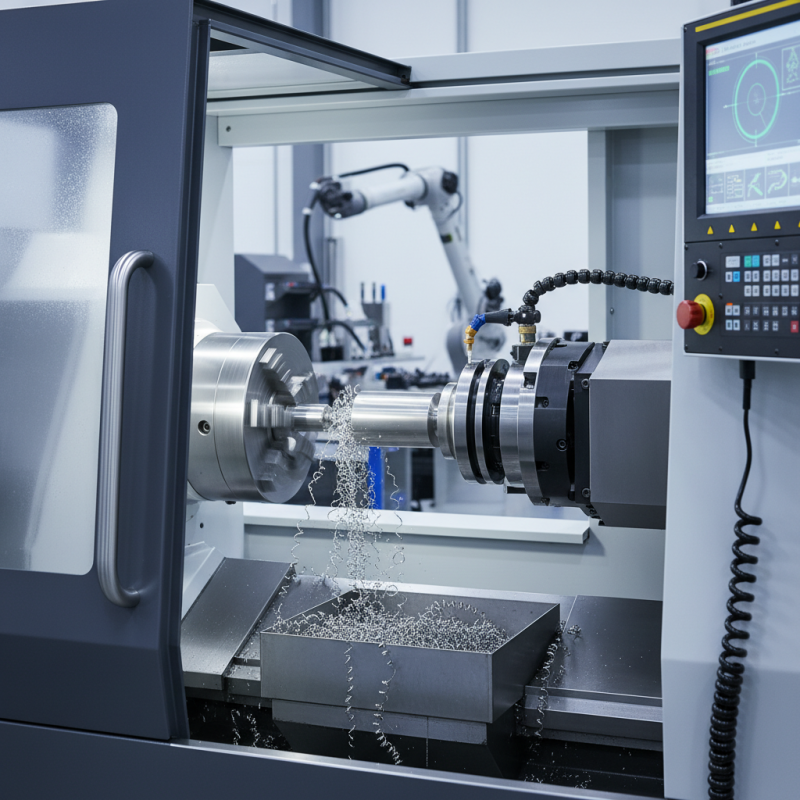
Key Characteristics of CNC Lathe Machines for Precision Work
CNC lathe machines are vital for precision machining. They shape materials with high accuracy. Key characteristics define their effectiveness and reliability. A powerful spindle motor ensures consistency during operations. Precision ball screws minimize backlash, providing better control over movements.
The rigidity of the machine frame is crucial. It reduces vibrations, ensuring high-quality finishes. Laser or optical encoders enhance positioning accuracy. Users often overlook regular maintenance. Neglecting it can lead to reduced performance. Even minor wear can affect precision.
Flexibility in tooling setups allows adaptation to various projects. Quick tool changes can save time during production. However, a lack of proper training can lead to inefficient usage. Operators must understand the machine's full capabilities. It is important to stay updated with technological advancements. Continuous learning ensures optimal performance and precision in machining tasks.
Best CNC Lathe Machine Features for Precision Machining?
| Feature | Description | Importance |
| High Precision Spindle | Allows for precise control of the rotation speed and stability. | Critical for maintaining accuracy in machining. |
| Robust CNC Control System | Provides advanced programming and real-time monitoring capabilities. | Enhanced flexibility and adaptability for complex tasks. |
| Tool Turret | Houses multiple tools to allow for quick changes in operations. | Increases efficiency by reducing downtime for tool changes. |
| High-Speed Feed Rate | Enables faster movements between operations, improving cycle time. | Vital for increasing overall productivity. |
| Automatic Tool Length Measurement | Automatically measures tool length to ensure accuracy. | Reduces the potential for errors caused by variable tool lengths. |
| User-Friendly Interface | Simplifies the programming and operation of the machine. | Improves operator efficiency and reduces training time. |
Importance of Precision in CNC Lathe Machining
Precision is paramount in CNC lathe machining. A small error can lead to significant production costs. Reports indicate that precision machining can improve product quality by up to 30%. This highlights the need for accuracy in every step of the machining process.
Using high-quality materials is essential for achieving precision. Many manufacturers overlook material integrity, leading to defects. Studies reveal that more than 25% of machining failures stem from poor material choices. Additionally, skilled operators play a crucial role. Training and experience directly impact the outcome of the machining process. Even minor mistakes can result in costly rework.
Advanced technology also influences precision. CNC lathe machines equipped with advanced sensors can reduce errors significantly. These machines can operate with tolerances as tight as 0.01 mm. However, embracing new technology requires investment and an understanding of its complexities. Not every facility is ready to make this leap. The challenge remains for companies to find a balance between cost and precision. Achieving high-level precision is not just about machines; it's a blend of technology, skills, and the right materials.
Advanced Control Systems in CNC Lathes
Advanced control systems are crucial in CNC lathes for precision machining. These systems allow for real-time monitoring and adjustments. They enhance the accuracy of cuts and improve overall efficiency. Operators can input complex designs directly. This automation reduces human error significantly.
Tips for operation: Always check the calibration of your control systems. A slight error can lead to major defects. Regular software updates can help maintain accuracy. This keeps the machine performing at its best.
However, not all control systems are user-friendly. Some interfaces can be complex and overwhelming. Operators must undergo proper training. Understanding the system ensures better output. Patience is needed when troubleshooting issues. Mastery comes with practice and reflection on past mistakes.
Material Compatibility and Versatility of CNC Lathes
CNC lathes are essential for precision machining. They offer a range of features that enhance material compatibility. These machines can handle various materials, including metals, plastics, and composites. This versatility is crucial for industries like aerospace and automotive. Different materials require unique approaches, and CNC lathes rise to the challenge.
The ability to switch materials efficiently is a significant advantage. Operators can easily adjust tooling and settings. However, mastering this flexibility takes experience. Not every operator knows how to optimize settings for each material. For example, aluminum requires different speeds and feeds compared to steel. Mistakes can lead to wasted materials and time.
CNC lathes also excel in producing complex shapes. This capability allows for innovative designs. Yet, the setup process can be intricate and time-consuming. Some operators find it challenging to achieve the desired precision on the first try. This learning curve is a reminder of the need for continuous improvement in machining skills.
Best CNC Lathe Machine Features for Precision Machining
Enhancing Efficiency with Features of Modern CNC Lathes
Modern CNC lathes have transformed precision machining. Their advanced features enhance efficiency and accuracy. Key attributes include automated tool changers, which enable quick adjustments during production. This streamlined process reduces downtime significantly. Operators can focus more on monitoring rather than manual changes.
Tip: Regularly maintain your CNC lathe to keep it running smoothly. Overlooking maintenance can lead to inaccurate cuts or machine failures. Another key feature is the integration of CAD/CAM software. This software allows seamless transition from design to machining. It ensures that specifications are met with precision. However, software glitches can occur. Always double-check your designs before starting a job.
Lastly, many modern CNC lathes feature real-time monitoring systems. These systems track performance and detect issues early. Early detection can save time and reduce costs. Still, operators should understand these systems completely. If not, misinterpretation of alerts can lead to greater complications. Adjusting to new features requires ongoing learning and adaptation.