What is a 1 Pole Circuit Breaker and How Does It Work?
Understanding the function of a 1 Pole Circuit Breaker is essential for anyone involved in electrical systems. This device plays a crucial role in protecting electrical circuits from overloads and short circuits. According to the National Electrical Manufacturers Association, proper circuit protection is vital, as it prevents potential damages and hazards.
In modern residential and commercial applications, the 1 Pole Circuit Breaker is widely used. It is favored for single-phase circuits, which are common in homes. Reports from the Electrical Safety Foundation International reveal that nearly 50 million homes utilize circuit breakers, underscoring their importance.
While these breakers provide safety, they are not infallible. Users must regularly inspect and test their functionality. Industry standards recommend annual checks, yet many neglect this practice. Understanding their operation can help users appreciate their significance and avoid potential risks. The 1 Pole Circuit Breaker remains a fundamental component in keeping electrical systems safe and efficient.
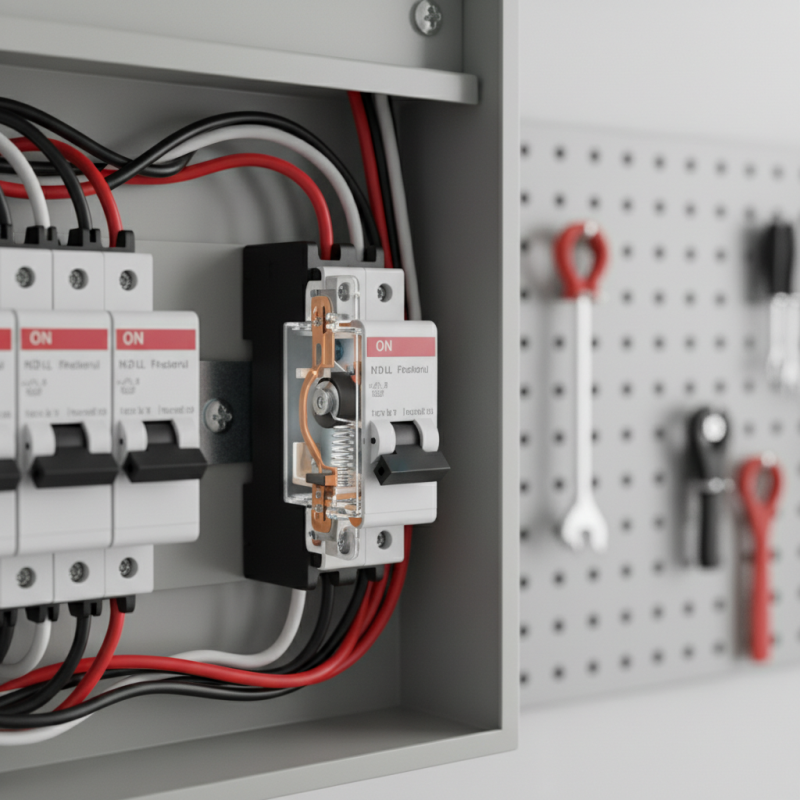
What is a 1 Pole Circuit Breaker?
A 1 pole circuit breaker is a vital component in any electrical system. It is designed to control the flow of electricity in a single phase. This type of breaker protects circuits from overloads and short circuits. When excess current flows through the circuit, the breaker automatically trips. This action interrupts the electricity flow, preventing potential hazards.
The operation of a 1 pole circuit breaker is relatively straightforward. Inside the breaker, a bimetallic strip reacts to increased temperatures. This strip bends and triggers the mechanism to open the circuit. It’s essential for homeowners and electricians to understand this. Knowing how it operates helps in diagnosing issues effectively. Sometimes, the breaker might trip even when there is no apparent overload. This can be frustrating and requires investigation.
The size and ratings of the circuit breaker matter significantly. A breaker that is too small for the load may trip frequently. On the other hand, using an oversized breaker can create risks. It may not trip in dangerous situations, leading to potential damage. Installation should always consider these factors for safety and efficiency.
Understanding a 1 pole circuit breaker is crucial. It combines practicality with safety in electrical applications. Yet, the nuances of its operation can often go unnoticed, creating room for improvement and education.
Components of a 1 Pole Circuit Breaker
A 1 Pole Circuit Breaker is a crucial safety device in electrical systems. Its main components play specific roles. The switch is the part you toggle on and off. It allows the user to control the flow of electricity easily. The bimetallic strip is sensitive to heat. When the current exceeds a certain limit, it bends and trips the breaker. This action prevents overheating and potential fires.
Inside the circuit breaker, there is an electromagnetic mechanism. This element reacts quickly to overloads. If a fault occurs, the breaker disconnects power almost instantly. Another important part is the housing. It protects the internal components from dust and moisture. Without proper protection, the circuit breaker may fail.
Although simple in appearance, the 1 Pole Circuit Breaker presents challenges. Improper installation can lead to malfunctions. Users often overlook routine checks. A small issue can develop into a significant problem. Ensuring proper functionality is essential for safety. Regular maintenance is often ignored but necessary. Keeping it in good working order prevents larger disasters in the future.
Working Mechanism of a 1 Pole Circuit Breaker
A 1 pole circuit breaker is a crucial component in electrical systems. It controls the flow of electricity in a single circuit. When an overload or short circuit occurs, the breaker trips. This action cuts off the power. It protects wires and devices from damage.
The working mechanism of a 1 pole circuit breaker involves an electromagnetic trip. When current exceeds safe limits, a magnetic field builds. This causes the trip lever to move. The internal mechanism releases, disconnecting the circuit. This simple design is effective and reliable.
However, not all breakers work perfectly. Sometimes, they trip unnecessarily. This can lead to frustration for users. Regular maintenance is essential. Understanding how it operates makes troubleshooting easier. Familiarity with its function can prevent unexpected power loss. This helps in managing electrical safety in homes and businesses.
What is a 1 Pole Circuit Breaker and How Does It Work? - Working Mechanism of a 1 Pole Circuit Breaker
| Feature | Description |
| Pole Configuration | Single pole, designed for one phase in electrical systems. |
| Function | Disconnects power to protect circuits from overload and short circuits. |
| Rated Current | Available in various ratings, typically from 6A to 63A. |
| Tripping Mechanism | Electromechanical mechanism that trips the circuit when a fault is detected. |
| Usage | Commonly used in residential settings for lighting and small appliances. |
| Installation Type | Typically mounted on a DIN rail within a distribution board. |
| Safety Features | May include features such as a status indicator and manual reset. |
| Compliance Standards | Must meet international safety standards (e.g., IEC, UL). |
Applications of 1 Pole Circuit Breakers
1 Pole Circuit Breakers are essential components in electrical systems, primarily used to protect circuits and prevent overloads. Their applications are widespread in residential and commercial settings. Homeowners often use them to safeguard lighting and receptacles. In commercial buildings, they handle larger loads, often found in HVAC systems and equipment.
These breakers are compact and designed for single-phase circuits. Their size allows for easy installation in homes or businesses. Data from the National Electrical Manufacturers Association shows that nearly 50% of all residential electrical faults relate to lighting circuits. Installing 1 Pole Circuit Breakers can significantly reduce risks.
Tip: Always check the amp rating before installation. Using the correct rating is crucial for safety and efficiency.
In industrial applications, these breakers control machinery and equipment where single-phase power is sufficient. Their quick response to overloads helps maintain system integrity. However, not all systems benefit equally from a 1 Pole Circuit Breaker. Some high-capacity environments may require multi-pole solutions. Regular assessments are necessary to ensure your choice fits the load requirements.
Tip: Inspect circuit breakers regularly for signs of wear or failure. Early detection can prevent costly outages.
Benefits and Limitations of Using 1 Pole Circuit Breakers
When considering 1 pole circuit breakers, it’s essential to weigh their benefits and limitations. One significant advantage is their ability to protect a single circuit. This simplicity offers ease of installation and use. It’s ideal for small appliances or lights. Users often find them cost-effective due to their straightforward design.
However, limitations exist. A 1 pole circuit breaker doesn’t provide protection for multiple circuits. This can be problematic in larger homes or buildings. Additionally, they may not handle heavy loads efficiently. This neglect could lead to breaker trips or even safety hazards.
**Tips:** Always assess your needs before choosing a breaker. Consider the total load your circuits will bear. If you have multiple devices, you might need additional breakers. Regularly check your breakers for any signs of wear. If you notice anything unusual, consult a professional for advice.
1 Pole Circuit Breaker Usage and Performance Analysis